Skip to content
Ontario Fish Finder

Field guide

Ontario freshwater fish, up close

Choose your next catch

Find a fish. Find your water.

Explore 30 Ontario fish guides, from habitat and seasonal patterns to lakes where each species has been recorded.

30 of 30 species

Reset filters

Walleye & Sauger

Walleye

Walleye

Ontario's most sought-after eating fish, known for its reflective, light-gathering eyes and firm, mild white fillets.

Preferred water temperature
18–22°C (64–72°F) — comfortable in cool water, pushed deep once summer heat sets in.
Best fishing times
Dawn, dusk and overcast days; the couple of weeks right after ice-out and again in fall are peak.
Sauger

Sauger

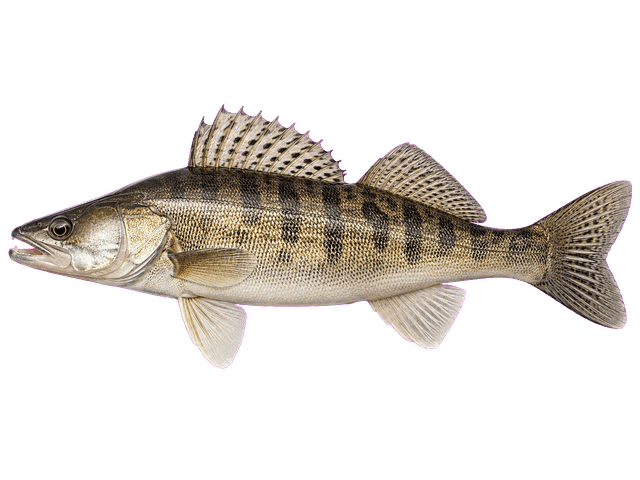
A slimmer, more streamlined cousin of the walleye built for life in current, marked with dark saddle-shaped blotches instead of a solid dark tail tip.

Preferred water temperature
16–21°C (61–70°F), tolerant of the warmer, murkier water typical of big rivers.
Best fishing times
Low light and overcast; best below dams in spring and again as water cools in fall.

Pike & Muskie

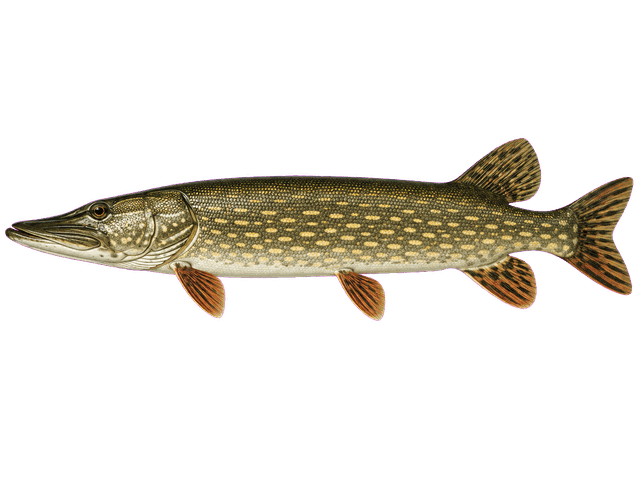
Northern Pike

Northern Pike

A long, toothy ambush predator with a duck-bill snout, easy to identify by the light bean-shaped spots scattered on its dark green body.

Preferred water temperature
15–24°C (59–75°F), most active around 18–20°C; slows down noticeably once it gets much warmer.
Best fishing times
Ice-out through early summer, then again as the water cools in fall; overcast days anytime.
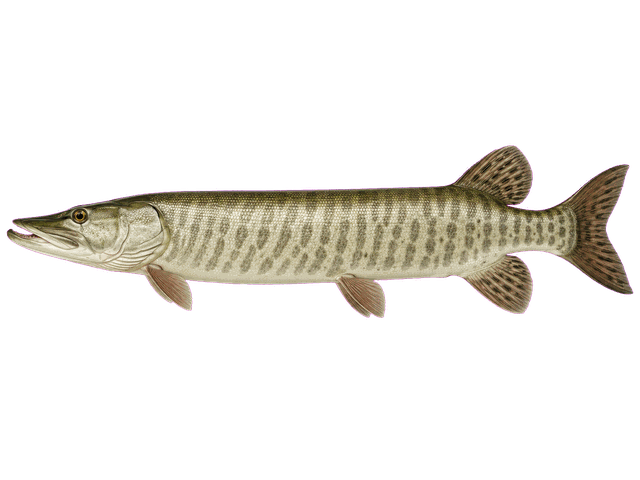
Muskellunge

Muskellunge

Ontario's apex freshwater predator, similar in shape to pike but with light markings on a lighter background and a nearly fully-scaled cheek.

Preferred water temperature
18–24°C (64–75°F), most active around 20°C.
Best fishing times
Fall (September–October) is prime as big fish feed heavily before winter; dawn/dusk otherwise.

Bass

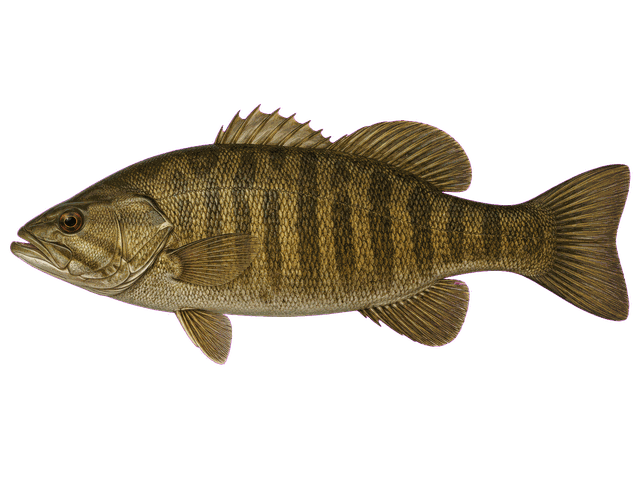
Smallmouth Bass

Smallmouth Bass

A bronze-backed, hard-fighting gamefish that favours clean rocky water over the vegetation its largemouth cousin prefers.

Preferred water temperature
21–27°C (70–81°F).
Best fishing times
Post-spawn through summer on rock; low light and stable weather windows fish best.
Largemouth Bass

Largemouth Bass

A big-mouthed, aggressive predator identified by a jaw extending past the eye and a dark horizontal stripe along its side.

Preferred water temperature
21–29°C (70–84°F) — the warmest-water tolerant of the popular gamefish.
Best fishing times
Early morning and evening in summer heat; overcast midday bites are common in spring/fall.
White Bass

White Bass

A silvery, schooling open-water fish with faint horizontal stripes, known for surface feeding frenzies on baitfish.

Preferred water temperature
18–24°C (64–75°F).
Best fishing times
Spring spawning runs and summer surface frenzies, often signalled by diving gulls overhead.

Panfish

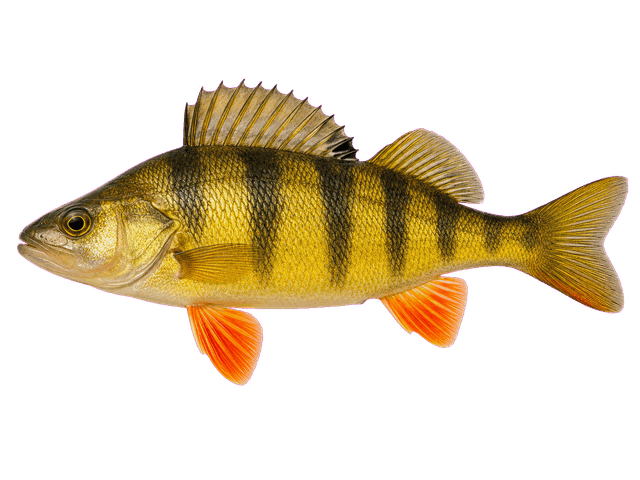
Yellow Perch

Yellow Perch

A small, golden-yellow panfish with dark vertical bars, prized for sweet, flaky fillets and found in huge schools.

Preferred water temperature
12–21°C (54–70°F).
Best fishing times
Spring spawning runs into shallow bays; a dependable, popular winter ice target.
Black Crappie

Black Crappie

A deep-bodied, silvery panfish with irregular dark speckling, suspending in loose schools around cover.

Preferred water temperature
18–24°C (64–75°F).
Best fishing times
Pre-spawn shallow push in spring; low light in summer as fish suspend deeper.
White Crappie

White Crappie

Similar to black crappie but with faint vertical bars instead of speckling, more tolerant of murky water.

Preferred water temperature
18–24°C (64–75°F).
Best fishing times
Same pre-spawn shallow push as black crappie; dawn and dusk through summer.
Bluegill

Bluegill

A round, flat-bodied sunfish with a dark ear flap and a small mouth, a staple panfish for anglers of every age.

Preferred water temperature
21–26°C (70–79°F).
Best fishing times
Spawning beds in late spring/early summer are the easiest window to find them shallow.
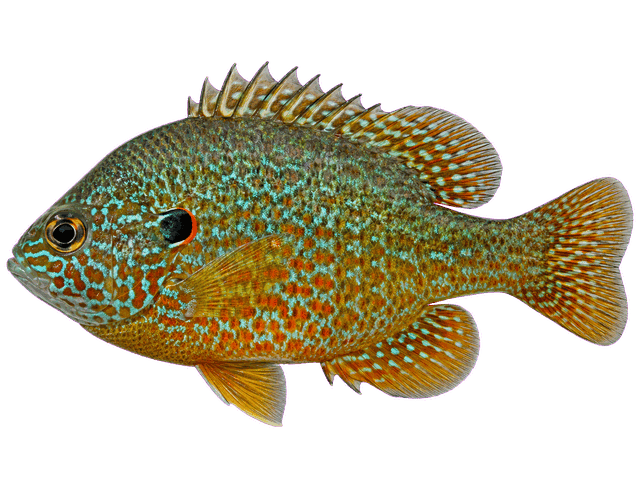
Pumpkinseed

Pumpkinseed

A dazzlingly colourful sunfish with an orange-red spot on its ear flap, common in the same shallow weedy water as bluegill.

Preferred water temperature
20–26°C (68–79°F).
Best fishing times
Same late-spring spawning window as bluegill; active all day in shallow water.
Rock Bass

Rock Bass

A stocky, red-eyed panfish related to the sunfish, abundant and aggressive — often the first fish a young angler catches.

Preferred water temperature
18–24°C (64–75°F).
Best fishing times
Anytime during daylight in warm months; especially active at dusk.

Trout & Salmon

Brook Trout

Brook Trout

A native char, not a true trout, with distinctive worm-like markings on its back and white-edged fins.

Preferred water temperature
10–16°C (50–61°F) — needs cold, oxygen-rich water and struggles above about 20°C.
Best fishing times
Ice-out through early summer, then again in fall before spawning; avoid the summer heat.
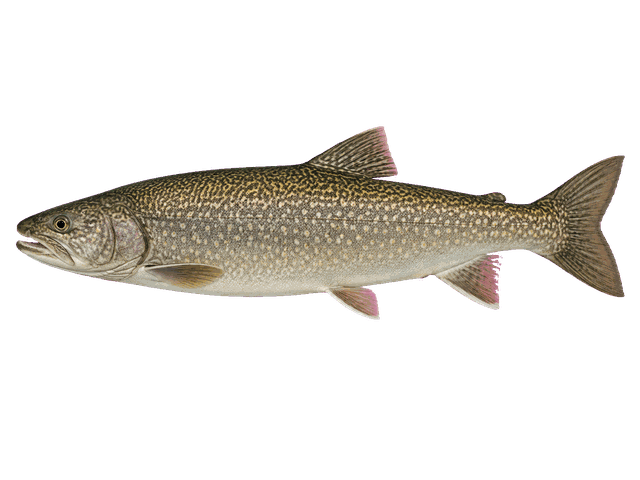
Lake Trout

Lake Trout

A deep-bodied char of cold northern lakes, pale-spotted and built to cruise the thermocline all summer.

Preferred water temperature
8–12°C (46–54°F) in summer, shallower and cooler right at ice-out.
Best fishing times
Right at ice-out when they're shallow; deep structure/thermocline fishing through summer.
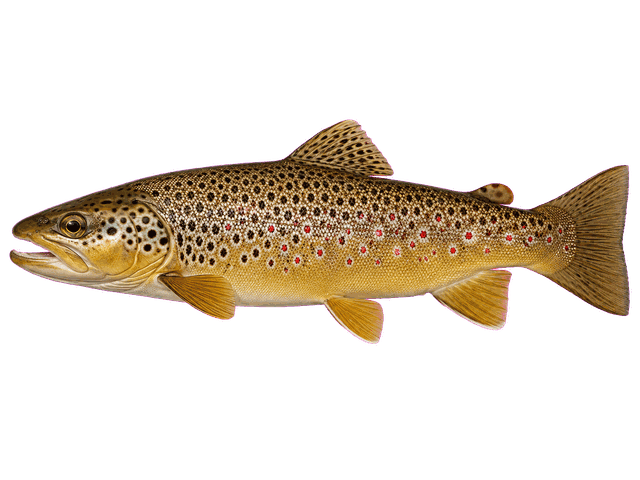
Brown Trout

Brown Trout

A wary, golden-brown trout with black and red spots, equally at home in cool rivers and the Great Lakes.

Preferred water temperature
12–19°C (54–66°F).
Best fishing times
Low light — dawn, dusk and overnight — this is the most nocturnal of the stocked trout.
Rainbow Trout

Rainbow Trout

A silvery trout with a pink lateral stripe, known in its Great Lakes migratory form as steelhead.

Preferred water temperature
12–18°C (54–64°F).
Best fishing times
Spring and fall river runs (steelhead); early morning on stocked inland lakes.
Splake

Splake

A stocked hybrid of brook and lake trout, combining brookie markings with a laker's deeper-water habits.

Preferred water temperature
10–15°C (50–59°F).
Best fishing times
Ice-out shallow bite, then deeper through summer like a small lake trout.
Atlantic Salmon

Atlantic Salmon

A restoration species in Lake Ontario's watershed, silvery at lake stage with an X-shaped spot pattern along its sides.

Preferred water temperature
10–16°C (50–61°F).
Best fishing times
River runs in spring and fall; deep, cool water in the open lake during summer.
Chinook Salmon

Chinook Salmon

The largest Pacific salmon stocked in the Great Lakes, black-gummed and heavily spotted on both lobes of the tail.

Preferred water temperature
10–14°C (50–57°F) — tracks the thermocline closely.
Best fishing times
Late-summer staging off river mouths into the big fall spawning run.
Coho Salmon

Coho Salmon

A smaller, brighter Pacific salmon than chinook, spotted only on the upper tail lobe and with white gums.

Preferred water temperature
10–15°C (50–59°F).
Best fishing times
Spring nearshore bite, then a fall river run alongside chinook.
Pink Salmon

Pink Salmon

The smallest Pacific salmon, an incidental Great Lakes population that runs strongest in odd-numbered years.

Preferred water temperature
10–15°C (50–59°F).
Best fishing times
The fall run in odd-numbered years is essentially the only realistic window.

Whitefish & Cisco

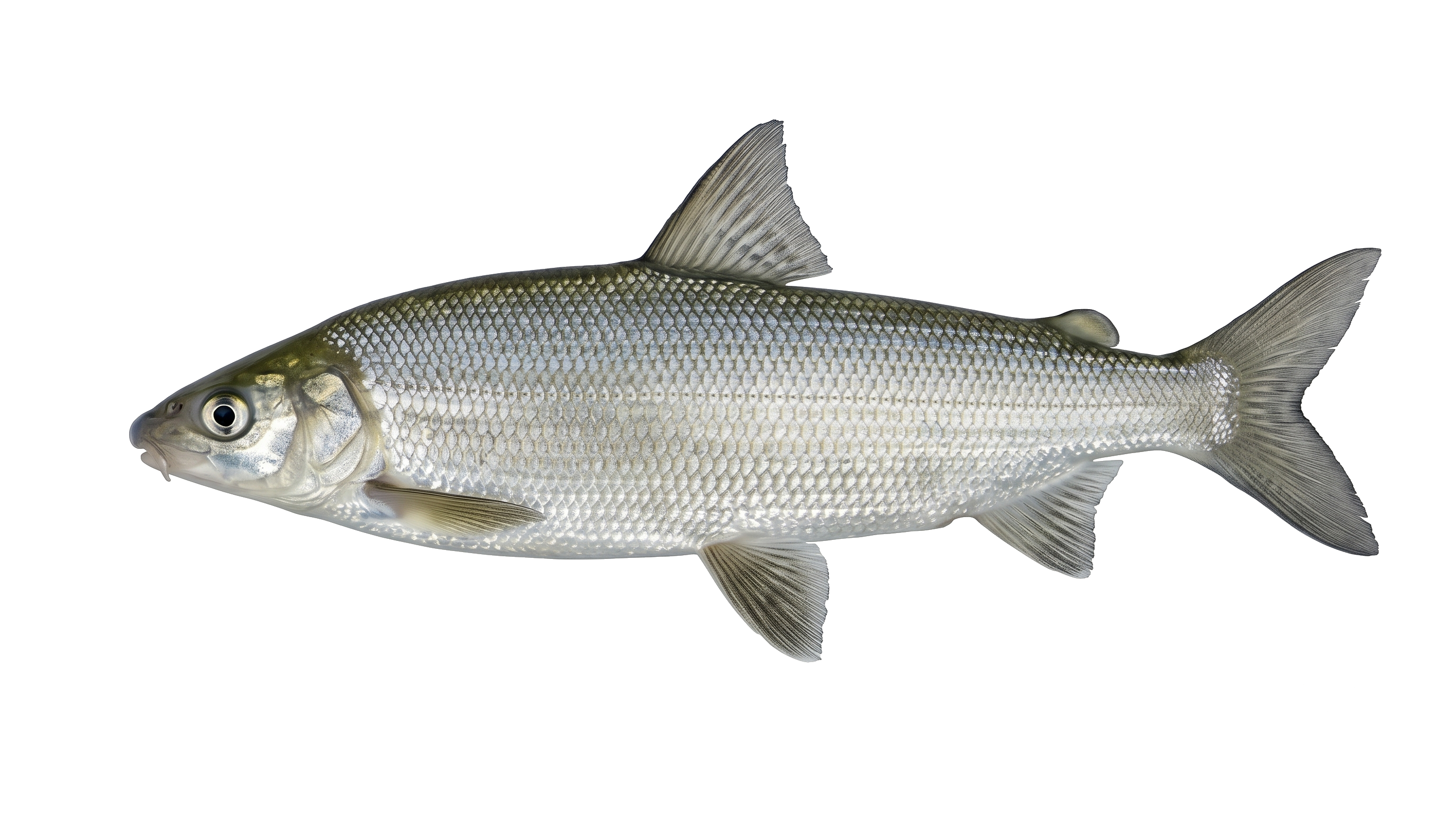
Lake Whitefish

Lake Whitefish

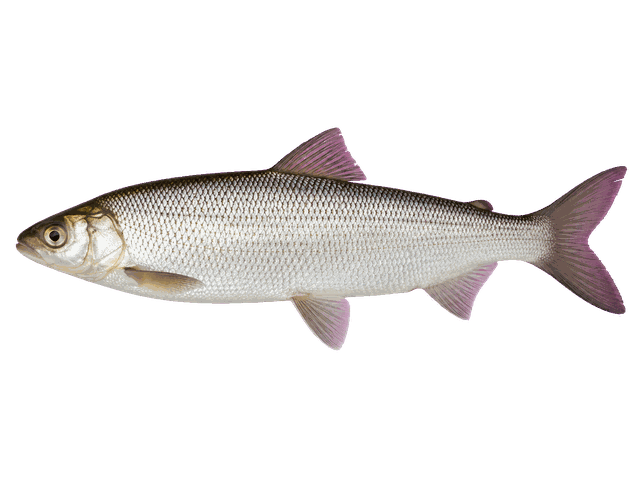
A silvery, small-mouthed member of the trout family that feeds tight to bottom in deep, cold water.

Preferred water temperature
8–14°C (46–57°F).
Best fishing times
Late-fall spawning run onto shoals; a premier winter ice target.
Cisco

Cisco

A slender, silvery pelagic forage fish (also called lake herring) that schools in open, cold water.

Preferred water temperature
8–14°C (46–57°F).
Best fishing times
Shallow at ice-out and briefly in late fall around spawning; suspended deep the rest of the year.

Catfish & Bullhead

Channel Catfish

Channel Catfish

A whiskered scavenger with a deeply forked tail and scattered dark spots, hunting mainly by smell after dark.

Preferred water temperature
21–29°C (70–84°F).
Best fishing times
Warm summer nights, especially after dark below dams or in deep river holes.
Brown Bullhead

Brown Bullhead

A small, stocky catfish with a rounded tail and dark barbels, tolerant of warm, low-oxygen water most fish avoid.

Preferred water temperature
20–27°C (68–81°F).
Best fishing times
Warm evenings and nights, spring through summer, in shallow muddy bays.

Other species

Burbot

Burbot

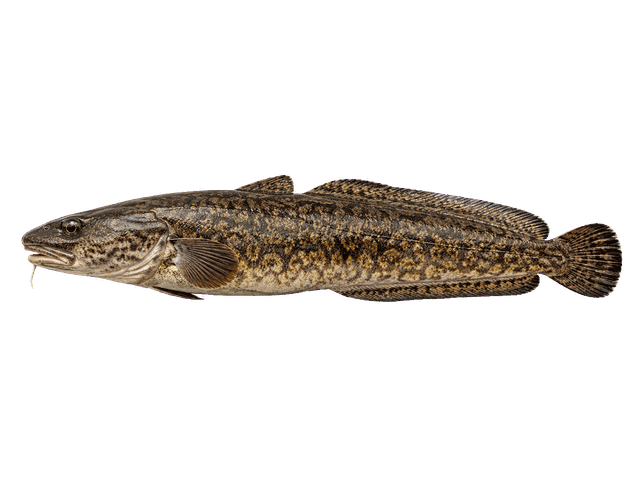
Ontario's only freshwater cod, an eel-like bottom-dweller most active in the dead of winter.

Preferred water temperature
2–10°C (36–50°F) — genuinely a cold-water specialist most fish avoid.
Best fishing times
After dark, especially under mid-winter ice during their spawning period.
Common Carp

Common Carp

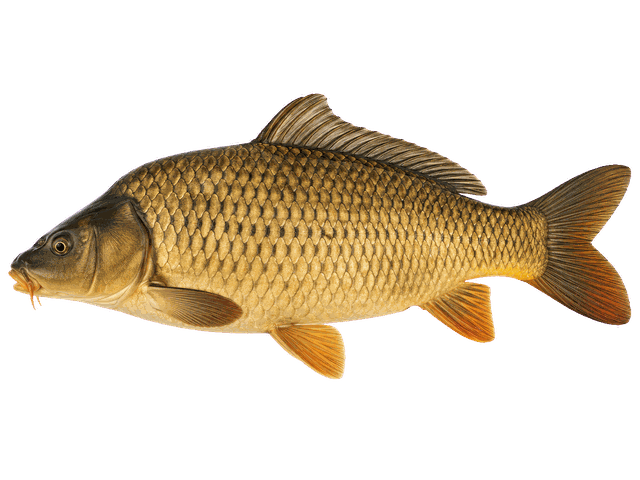
A large, heavy-bodied bottom feeder with barbels at the corners of its mouth, introduced but widespread and hard-fighting.

Preferred water temperature
20–28°C (68–82°F).
Best fishing times
Warm, calm mornings and evenings once the water's fully warmed in late spring/summer.
Freshwater Drum

Freshwater Drum

Ontario's only freshwater member of the drum family, deep-bodied with a humped back, known for the croaking sound it makes.

Preferred water temperature
18–25°C (64–77°F).
Best fishing times
Warm-water months, especially over sand/mud flats at dawn and dusk.
Lake Sturgeon

Lake Sturgeon

A prehistoric-looking armoured giant with bony plates instead of scales and a shark-like tail — protected across most of Ontario.

Preferred water temperature
10–20°C (50–68°F).
Best fishing times
Spring spawning congregations below rapids are the most visible (though rarely fishable) window.

Fish illustrations: original artwork © Ontario Fish Finder. All rights reserved. This is a selection of Ontario fishing guides, not a complete provincial species checklist. Lake records come from MNRF surveys; a recorded species does not guarantee a catch. Open the map and tap any highlighted species chip for its full guide, or search for a lake by name to see its own species list directly.